
Publications
11 nov. 2025
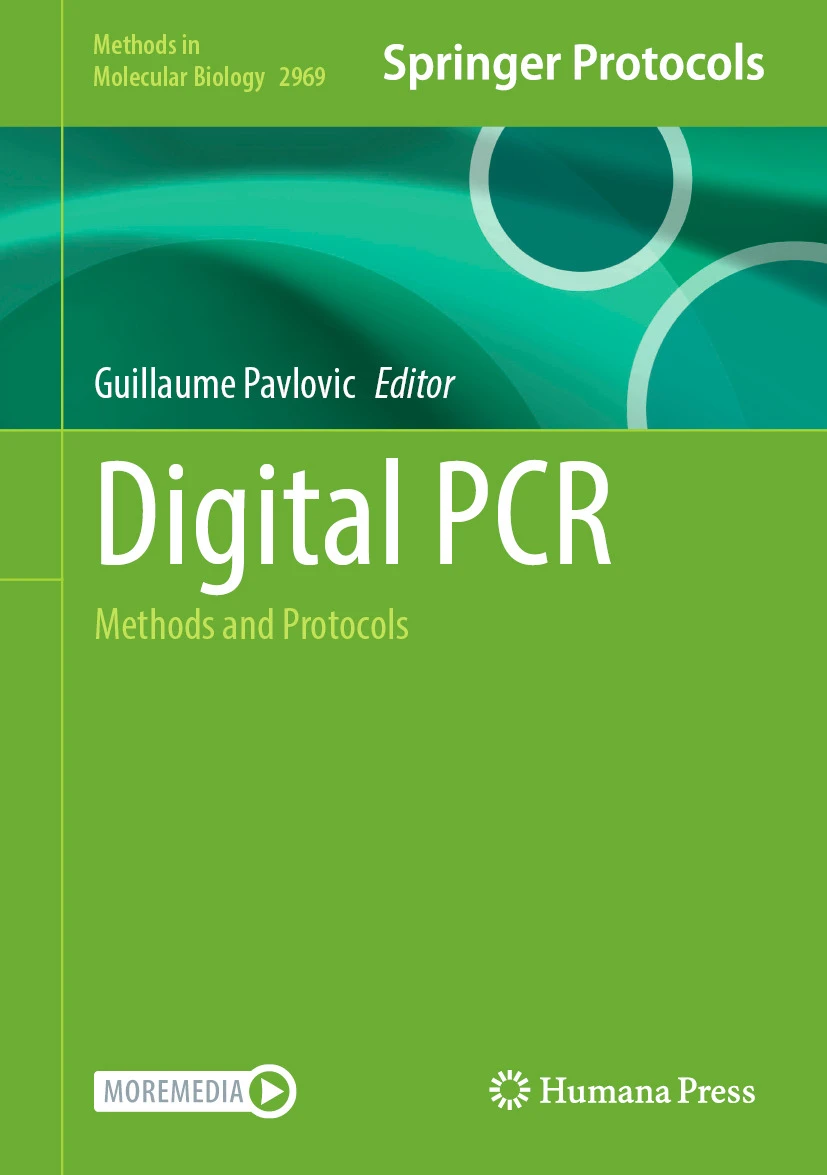
Empowering next-generation gene expression and agrigenomics research with scalable, high-plex molecular precision.
In a new Springer Methods in Molecular Biology chapter, researchers from the Aronsson group demonstrate how Hyperplex PCR (hpPCR) enabled a 20-plex gene expression analysis to accelerate the development of salt-tolerant wheat.
Soil salinity already affects ~20% of global arable land, making rapid and scalable transcription factor profiling critical for crop improvement. In this study, hpPCR was used to simultaneously quantify 17 salt-stress–related transcription factors and 3 internal controls in root and shoot tissue under control and 100 mM NaCl conditions.
Why hpPCR was the enabler:
True multiplex without sample splitting
All 20 targets were measured in a single reaction, eliminating the need to divide samples across multiple assays. This increases data output per sample and enables larger experimental cohorts, more biological replicates, and additional stress conditions without proportionally increasing labor or reagent consumption.
Digital molecular counting
Imaging-based readout generated hundreds of thousands of counts per well, enabling precise and proportional relative quantification across conditions. This is critical when comparing subtle transcriptional shifts.
Efficient, bias-reduced workflow
hpPCR reproduced the same up- and down-regulation trends as 2-step RT-qPCR while requiring up to 18 fewer PCR cycles. Fewer cycles reduce amplification bias and help preserve multiplex integrity.
By combining high-plex capacity with digital precision, hpPCR enables researchers to run broader studies with stronger statistical power and lower operational burden, accelerating marker discovery for breeding salt-tolerant, climate-resilient wheat.
Read the full publication here: https://link.springer.com/book/10.1007/978-1-0716-4767-7#toc